
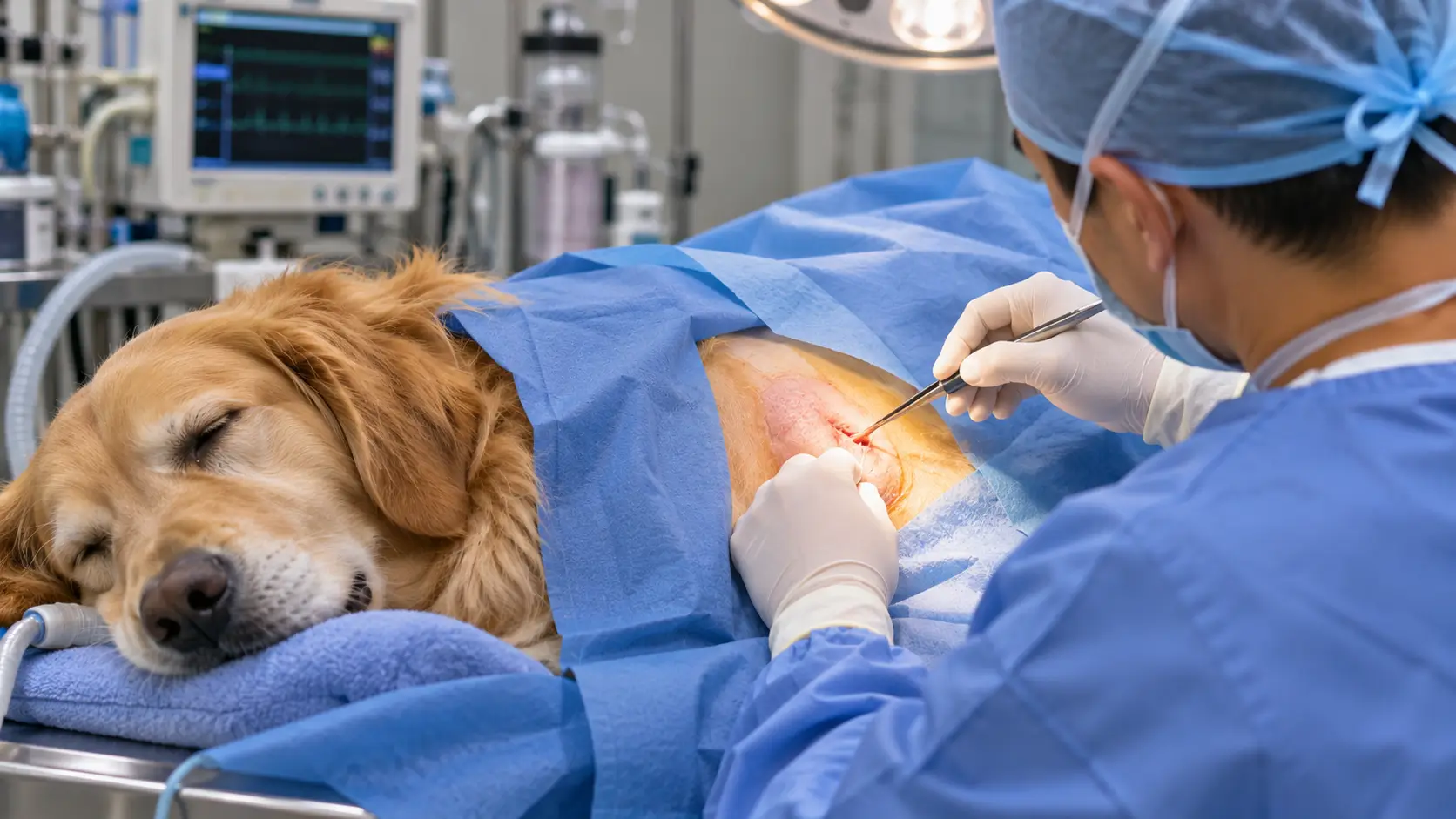
Surgical Removal of Lumps, Masses, and Tumors in Dogs and Cats
Discovering a lump or unusual growth on your pet can be concerning. Although many lumps are benign, others can indicate infections, abnormal tissue growth, or cancer. Early veterinary evaluation and appropriate surgical treatment are essential for protecting your pet’s health and quality of life.
At Big Tujunga Veterinary Hospital in Tujunga, CA, we provide veterinary surgical care, including lumpectomy procedures for dogs and cats. Our goal is to identify concerning masses, determine appropriate treatment options, and help pets recover comfortably.
A lumpectomy is a surgical procedure that removes a lump, mass, or tumor while preserving as much surrounding healthy tissue as medically appropriate. Depending on the type and location of the growth, surgical removal can relieve discomfort, prevent complications, and provide tissue for a definitive diagnosis.
What Is a Lumpectomy in Veterinary Medicine?
A veterinary lumpectomy involves surgically removing an abnormal growth from a pet’s body. These masses can develop on or beneath the skin, within fatty tissue, or in other accessible areas.
Some growths are harmless, while others require prompt attention because of their potential to spread, become infected, interfere with movement, or damage surrounding tissues.
Whenever appropriate, removed tissue is submitted for histopathology, a laboratory examination that identifies the type of growth and helps determine whether additional treatment is necessary.
Common Reasons Dogs and Cats Need a Lumpectomy
Benign Skin Growths
Noncancerous skin growths can become irritated, bleed, or interfere with everyday activities. Surgical removal may be recommended when a growth causes discomfort, changes in appearance, or repeatedly becomes traumatized.
Lipomas and Fatty Tumors
Lipomas are commonly diagnosed benign fatty tumors, particularly in middle-aged and older dogs. Although many do not require removal, surgery may be appropriate when a lipoma becomes large, restricts movement, or causes discomfort.
Not every soft, movable lump is a lipoma. Veterinary testing is necessary to distinguish fatty tumors from other masses.
Mast Cell Tumors
Mast cell tumors are among the more common malignant skin tumors in dogs. They can vary considerably in appearance and behavior.
Surgical removal with appropriate margins is often an important component of treatment. The recommended approach depends on the tumor’s location, grade, and clinical characteristics.
Mammary Masses
Mammary tumors can occur in dogs and cats, particularly in unspayed females. Some are benign, while others are malignant.
Prompt evaluation is important because early diagnosis and treatment can influence prognosis. Depending on the findings, surgery may involve removing an individual mass, a mammary gland, or a larger section of mammary tissue.
Cysts and Other Abnormal Growths
Some cysts or localized growths require removal when they repeatedly become inflamed, infected, painful, or interfere with normal function.
Signs Your Pet’s Lump Should Be Examined
Schedule a veterinary evaluation if you notice:
- A new lump or swelling beneath the skin
- A mass that grows rapidly or changes shape
- Redness, bleeding, ulceration, or discharge
- A lump that feels firm, irregular, or attached to surrounding tissue
- Discomfort when the area is touched
- Difficulty walking, eating, or moving because of a growth
- Changes in appetite, activity, or general health accompanying a mass
Important: A lump cannot be reliably identified as benign or cancerous by appearance or touch alone. Even small masses can require diagnostic testing.
How Veterinarians Diagnose Lumps and Tumors
Before recommending surgery, your veterinarian evaluates the mass and your pet’s overall health.
Physical Examination
The veterinarian assesses the lump’s size, location, consistency, mobility, and surrounding tissue.
Fine-Needle Aspiration
A fine-needle aspiration collects cells from the growth for microscopic examination. This procedure can help distinguish certain types of masses, although results are not always definitive.
Biopsy and Histopathology
A tissue biopsy or examination of a surgically removed mass can provide a more definitive diagnosis and help guide further treatment.
Preoperative Testing
Bloodwork and other diagnostic tests may be recommended to evaluate your pet’s general health and suitability for anesthesia.
What Happens During a Veterinary Lumpectomy?
The procedure is planned according to the size, location, and suspected nature of the mass.
Your pet receives anesthesia and appropriate pain management. The veterinarian removes the growth along with surrounding tissue when indicated, then closes the surgical site.
For suspected malignant tumors, adequate surgical margins are particularly important. Some masses require more extensive surgery or referral to a veterinary surgical specialist.
Following surgery, your pet is monitored during recovery, and the veterinary team provides individualized home-care instructions.
Recovery After Lumpectomy Surgery
Most pets require approximately 10–14 days of restricted activity and incision protection following uncomplicated skin-mass removal. Larger or more complex procedures can require additional recovery time.
Recovery instructions may include:
- Limiting running, jumping, and vigorous activity
- Preventing licking or chewing of the incision
- Administering prescribed medications
- Monitoring for swelling, bleeding, discharge, or separation of the incision
- Attending recommended follow-up appointments
The prognosis depends on the type of growth, whether it was completely removed, and the results of laboratory testing.
Frequently Asked Questions About Pet Lumpectomy Surgery
Is every lump on a dog or cat cancerous?
No. Many lumps are benign, including lipomas and certain cysts. However, some malignant tumors resemble harmless growths, making veterinary examination and diagnostic testing important.
Should a benign lump be removed?
Not necessarily. Small, confirmed benign growths that do not cause discomfort can sometimes be monitored. Removal may be recommended if the mass grows, becomes irritated, or affects normal movement.
How much does a pet lumpectomy cost?
Costs depend on the size and location of the growth, anesthesia requirements, diagnostic testing, and surgical complexity. A veterinary examination helps establish an appropriate treatment plan and estimate.
How long does a dog or cat take to recover from a lumpectomy?
Many pets recover from uncomplicated procedures within approximately two weeks, although healing times vary depending on the surgical site and extent of tissue removal.
Can a tumor return after removal?
Yes. Some tumors can recur, particularly when microscopic tumor cells remain or the tumor has aggressive biological characteristics. Histopathology and follow-up examinations help guide ongoing care.
When should I schedule an appointment for a new lump?
Arrange an examination whenever you discover a new or changing lump. Rapid growth, bleeding, pain, or ulceration warrants prompt evaluation.
Schedule a Veterinary Lumpectomy Consultation in Tujunga, CA
If your dog or cat has developed a new lump, growing mass, or suspicious skin lesion, early evaluation can help identify the cause and determine the most appropriate treatment.
At Big Tujunga Veterinary Hospital, we are committed to helping pets throughout Tujunga, Sunland, La Crescenta, and nearby Foothill communities receive compassionate, individualized veterinary care.
Contact our team to schedule an examination and discuss whether surgical removal is appropriate for your pet.